

Capacity Building
REHA strengthens the knowledge, skills, and institutional capacities of stakeholders to improve environmental protection, sustainable resource management, and environmental governance across Afghanistan.
Key Areas
-
Environmental protection and management
-
Climate and environmental governance
-
Ecosystem conservation
-
Sustainable natural resource management
-
Environmental assessment
-
Waste and wastewater management
-
Sustainable water management
-
Environmental awareness and community action
-
Technical and institutional capacity development
Selected Capacity Building Activities
| Activity | Participants / Reach | Focus |
|---|---|---|
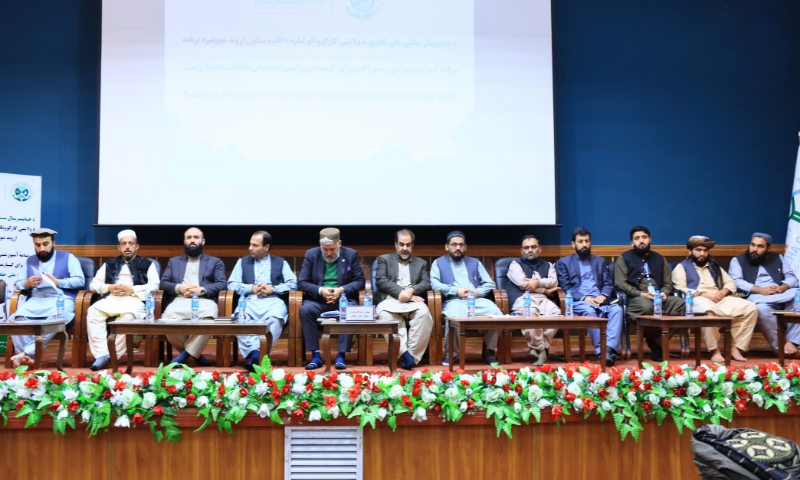
| NEPA Headquarters Staff Training | 20 staff | Environmental and technical capacity |
| NEPA Technical Staff Training | 50 staff | Technical capacity |
| NEPA Provincial Staff Training | 70 staff | Environmental and institutional capacity |
| Stakeholder Staff Training | 120 staff | Environmental and climate action |
| Training for Youth and Media | 200+ participants | Environmental and climate action |
| Training for Women | ~200 participants | Environment and climate action |
| Provincial Training | 240 participants | Climate adaptation and environmental action |
Target Groups
REHA works to strengthen the capacities of:
-
Government institutions
-
Provincial authorities
-
Community representatives
-
NGOs and development organizations
-
Youth and women
-
Media professionals
-
Universities and researchers
-
Ulama and community leaders
-
Private sector stakeholders
Knowledge and Skills Development
REHA's capacity-building activities help stakeholders understand environmental challenges, identify environmental risks, improve environmental practices, and contribute to sustainable resource management.
Through targeted training, workshops, technical sessions, and knowledge-sharing activities, REHA supports stakeholders in developing the practical skills needed to address environmental and climate-related challenges.
Institutional Capacity
REHA supports government institutions and other organizations in strengthening their technical and institutional capacity for environmental protection, climate action, sustainable resource management, and community resilience.
Community and Stakeholder Engagement
Capacity-building activities also encourage collaboration between government institutions, communities, NGOs, development partners, media, academia, youth, women, and other stakeholders.
This approach helps promote knowledge sharing, coordination, and practical environmental action at national, provincial, and community levels.
Expected Results
-
Stronger institutional environmental capacity
-
Improved technical knowledge
-
Better environmental decision-making
-
Increased community participation
-
Improved environmental management practices
-
Greater awareness of sustainable resource use
-
Stronger coordination among environmental stakeholders
-
Increased capacity to address environmental
