

Policy Development
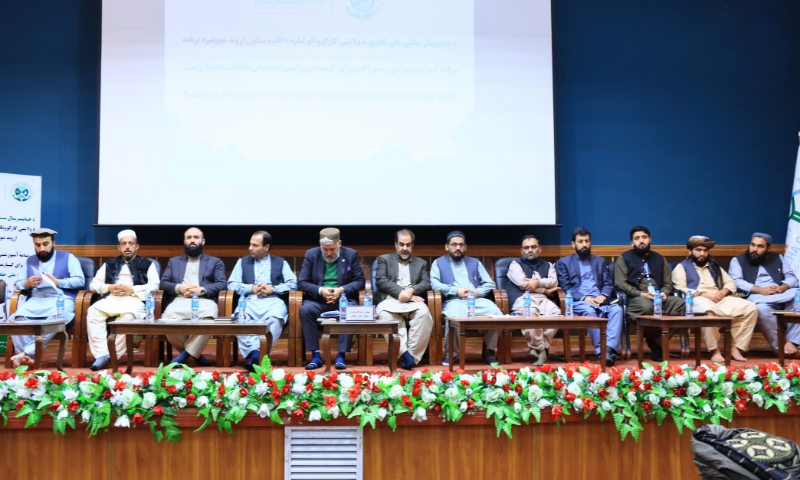
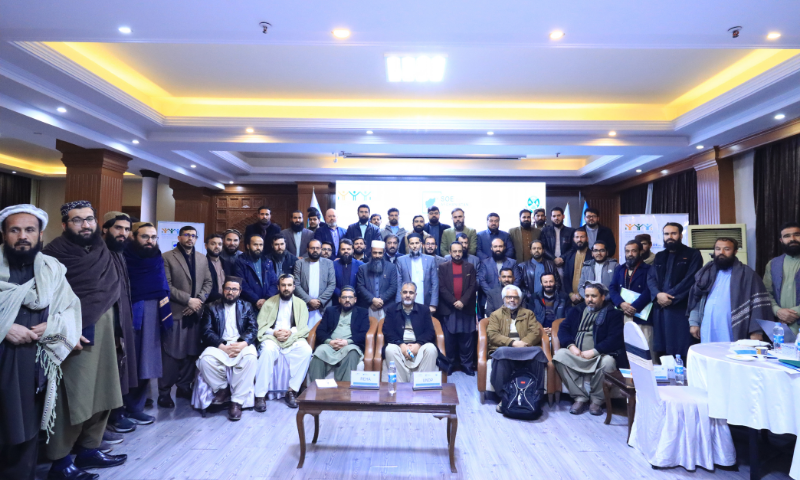
REHA supports evidence-based policy development and strategic planning to strengthen disaster risk management and reduce the impacts of natural and climate-related hazards on communities across Afghanistan.
Key Areas
-
Disaster risk management and planning
-
Disaster preparedness and response
-
Climate-related disaster risk reduction
-
Risk and vulnerability assessment
-
Community-based disaster risk management
-
Institutional coordination and preparedness
-
Disaster management policy and strategy
-
Integration of disaster risks into development planning
Selected Policy and Research Work
| Policy / Research Activity | Year | Partner / Institution |
|---|---|---|
| Afghanistan Disaster Management Strategic Plan | 2024 | Relevant Stakeholders |
| Climate Change Vulnerability Assessments | 2025 | UN Women / UNDP |
| Climate Change Adaptation and Resilience Assessment | 2025 | UNDP |
| State of Environment Assessment Report | 2025 | UNDP |
Risk-Informed Planning
REHA promotes the use of evidence, vulnerability assessments, stakeholder consultation, and local knowledge to identify disaster risks and develop practical measures for preparedness and resilience.
Key Disaster Risks
-
Drought
-
Floods
-
Climate-related hazards
-
Environmental degradation
-
Water-related risks
-
Community-level vulnerabilities
-
Other natural and environmental hazards
Expected Results
-
Stronger disaster risk management policies
-
Improved institutional preparedness
-
Better integration of disaster risks into development planning
-
Improved understanding of vulnerabilities and risks
-
Stronger coordination among relevant stakeholders
-
More resilient communities
