

Capacity Building
REHA strengthens the technical, institutional, and community capacities needed to address climate change, environmental challenges, and disaster risks across Afghanistan.
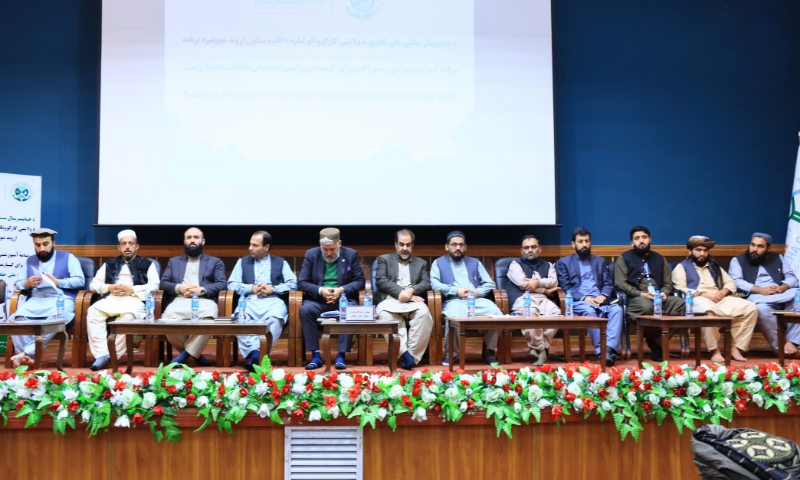
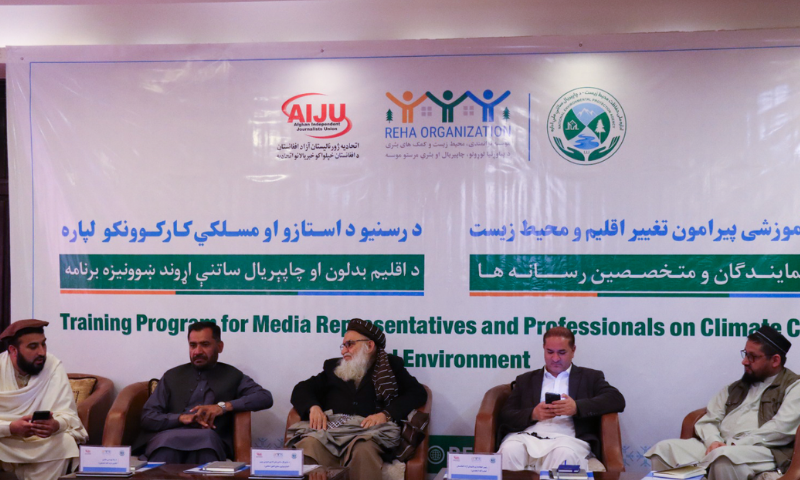
Through training, workshops, technical sessions, capacity assessments, and knowledge-sharing activities, REHA works with government institutions, communities, NGOs, media, youth, women, academia, Ulama, and other stakeholders.
Key Areas
-
Climate change and adaptation
-
Disaster risk reduction
-
Environmental protection
-
Climate-smart agriculture
-
Institutional capacity development
-
Community preparedness
-
Training of trainers
-
Technical knowledge and skills development
-
Climate policy and planning
-
Awareness and knowledge sharing
Selected Capacity Building Activities
| Activity | Participants / Reach | Location | Period / Partner |
|---|---|---|---|
| Training of Trainers for Community Volunteers | 180 volunteers | Kabul, Balkh, Kandahar | 2026–2027 / ECHO-IOM |
| NEPA Headquarters Staff Training | 20 staff | Kabul | Completed |
| NEPA Technical Staff Training | 50 staff | Afghanistan | Completed |
| NEPA Provincial Staff Training | 70 staff | Provinces | Completed |
| Stakeholder Staff Training | 120 staff | Afghanistan | Completed |
| Training for Youth and Media | 200+ participants | Kabul | 2024–2026 / UNDP, SDC |
| Provincial Climate Adaptation Training | 240 participants | Multiple Provinces | 2025 / SDC-ECCA |
| Training for Women | ~200 participants | Kabul | 2024–2025 / SDC, UNDP, SFCG |
Who We Support
-
Government institutions
-
Community representatives
-
NGOs and development organizations
-
Youth and women
-
Media professionals
-
Academia and researchers
-
Ulama and community leaders
-
Private sector and other stakeholders
Expected Results
REHA's capacity-building activities aim to improve technical knowledge, institutional preparedness, coordination, climate planning, decision-making, and the ability of stakeholders to implement practical climate adaptation and resilience measures.
