

Capacity Building
REHA strengthens the knowledge and skills of communities, farmers, women, youth, government institutions, and other stakeholders to promote sustainable agriculture, climate adaptation, and resilient livelihoods.
Key Areas
-
Climate-smart agriculture
-
Sustainable farming practices
-
Home gardening
-
Water and irrigation management
-
Livelihood development
-
Household resilience
-
Environmental protection
-
Climate change adaptation
-
Technical and vocational knowledge
-
Community capacity development
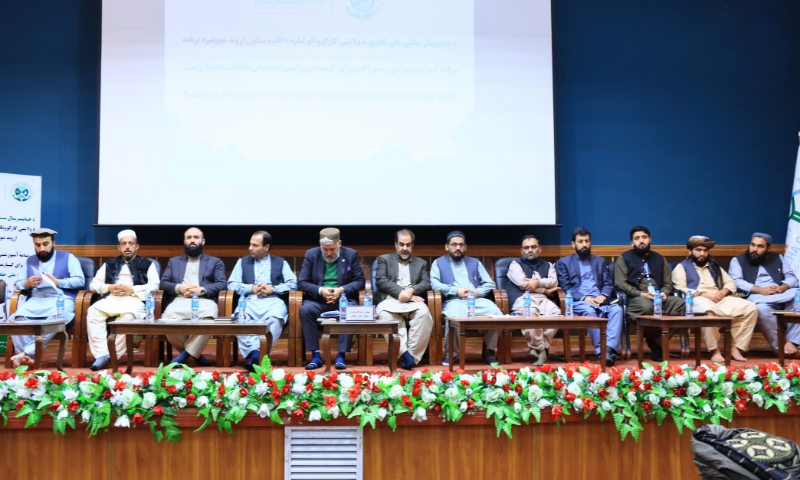
Selected Training and Capacity Building Activities
| Activity | Participants / Reach | Main Focus | Location |
|---|---|---|---|
| Training for Women | ~200 participants | Environment and climate action | Kabul |
| Youth and Media Training | 200+ participants | Climate and environmental action | Kabul |
| Provincial Climate Adaptation Training | 240 participants | Climate adaptation | Multiple Provinces |
| Community Volunteer Training | 180 volunteers | Disaster preparedness and resilience | Kabul, Balkh, Kandahar |
Community Knowledge
REHA supports communities with knowledge and practical skills that can help them respond to climate risks, improve household production, and adopt more sustainable agricultural and livelihood practices.
Women and Household Skills
Capacity-building activities can support women and households in areas such as home gardening, sustainable resource use, climate adaptation, clean energy, and livelihood resilience.
Knowledge Sharing
REHA works with communities, government institutions, NGOs, experts, academia, and other stakeholders to share knowledge and promote practical solutions for sustainable agriculture and livelihoods.
Expected Results
-
Improved agricultural knowledge and skills
-
Greater adoption of climate-smart practices
-
Stronger household livelihood capacity
-
Increased community resilience
-
Improved participation of women and vulnerable groups
-
Better understanding of climate-related agricultural risks
